Choose a power station that can carry your essential load.
Compare six current models by capacity, output, and weight. Use the calculator when you know your appliance watts and target runtime.
Specifications checked 2026-08-10 against official US manufacturer pages. Prices and stock can change.
Quick answer first
A power station enters the shortlist only after the load, runtime, and startup demand are clear. Compare a model whose stated output and capacity clear the plan, then check the current manual and warranty.
Product comparison at a glance
Quick specs by capacity class
Product
Capacity
Output
Weight
Best for
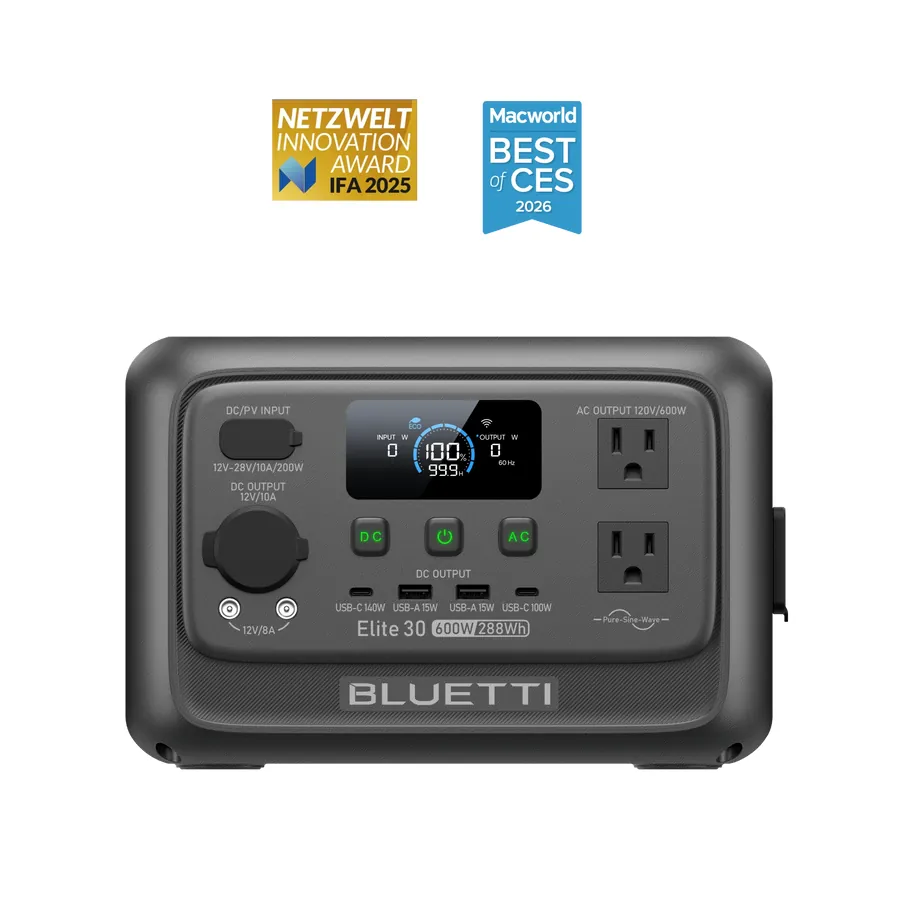
BLUETTI Elite 30 V2 Portable Power Station
288 Wh
600 W
4.3 kg
Phones, routers, laptops, CPAP planning, and...
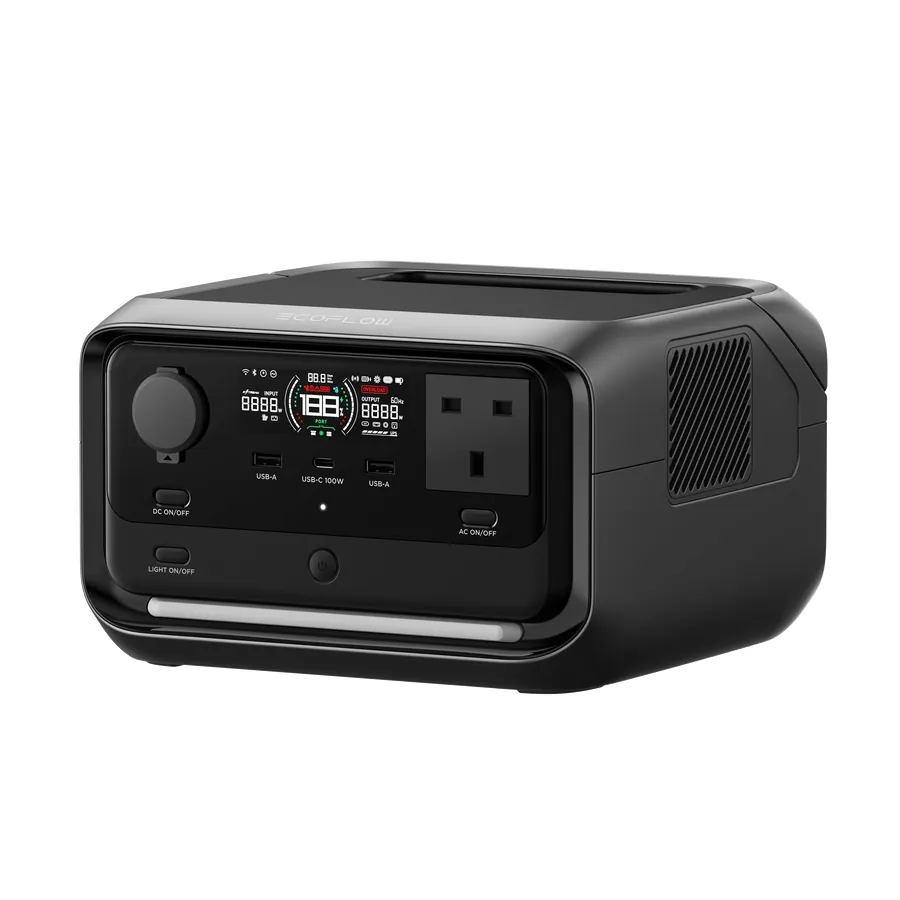
EcoFlow RIVER 3 Plus Portable Power Station
286 Wh
600 W
4.72 kg
A compact router, laptop, phone, camera, or...
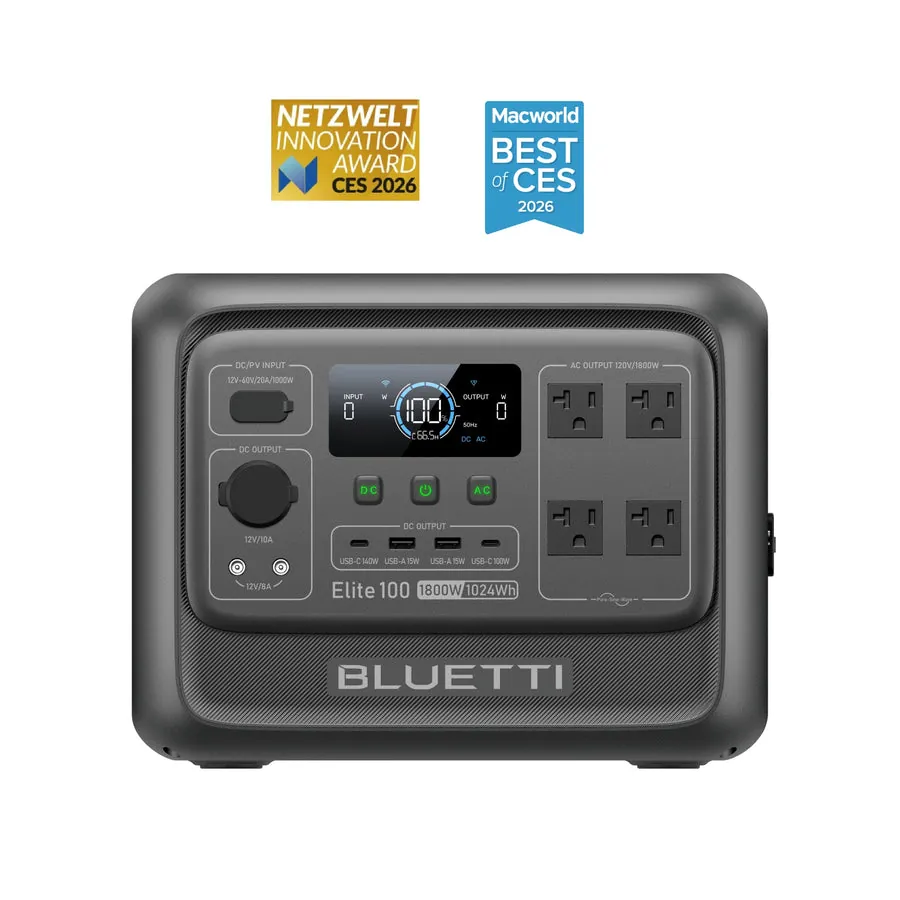
BLUETTI Elite 100 V2 Portable Power Station
1024 Wh
1800 W
11.34 kg
A broader apartment, home-office, CPAP,...
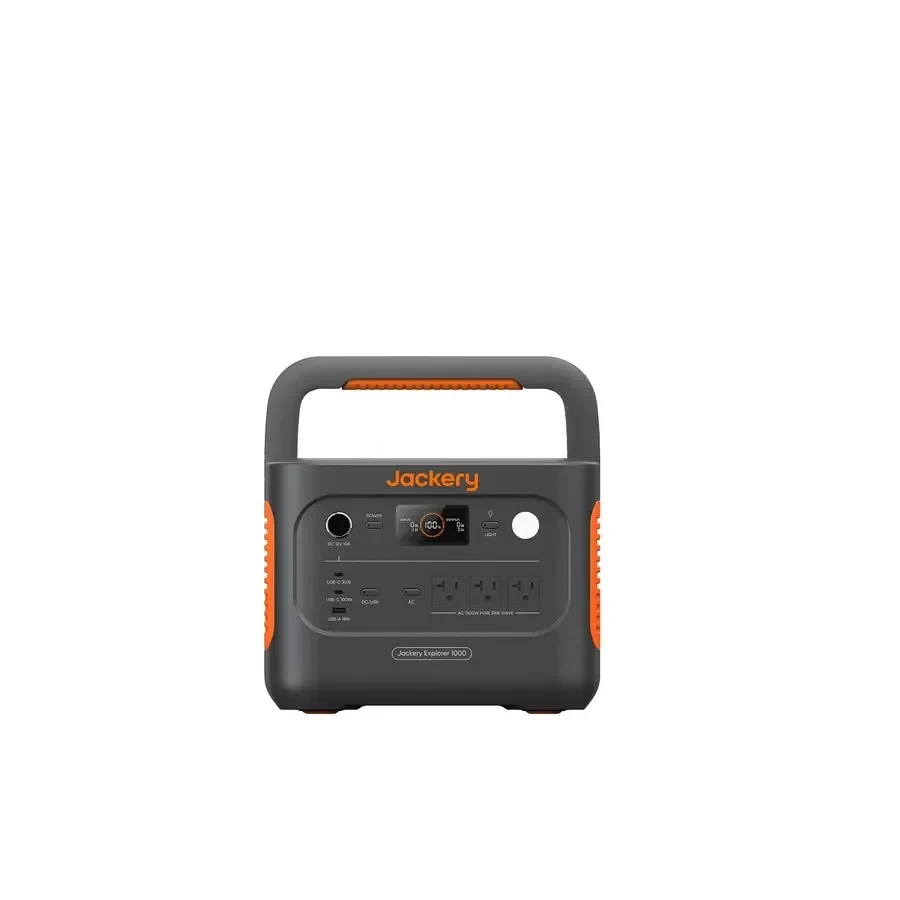
Jackery Explorer 1000 v2 Portable Power Station
1070 Wh
1500 W
10.8 kg
Camping, road trips, laptop work,...
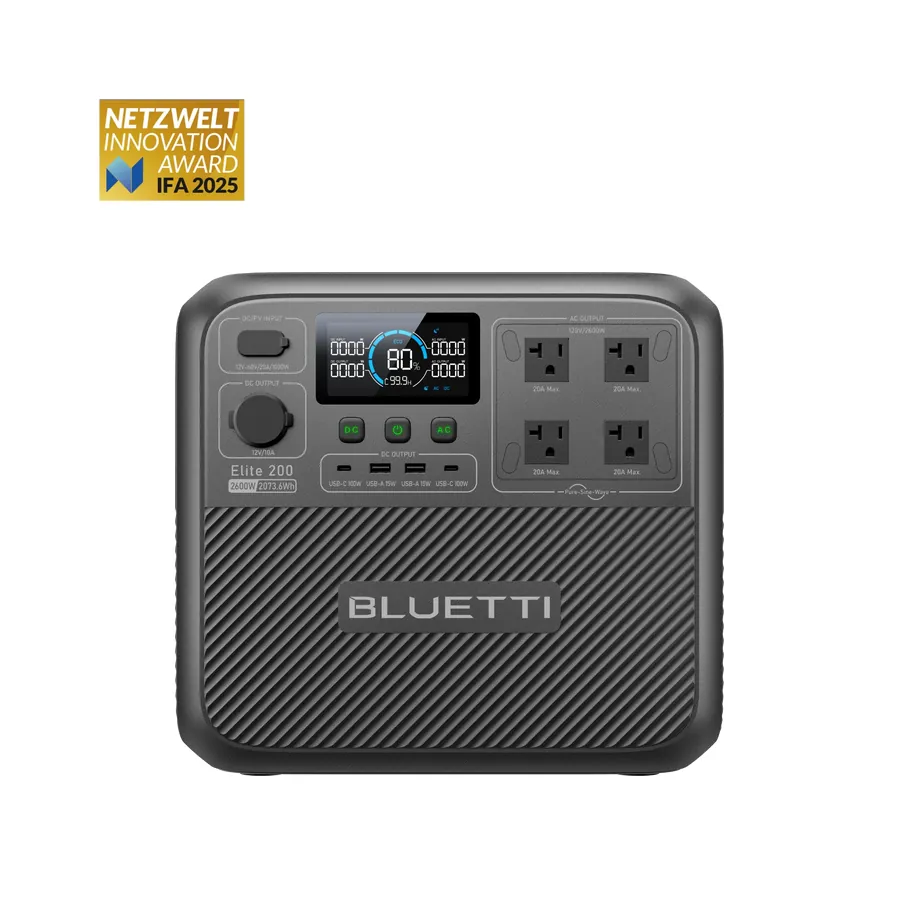
BLUETTI Elite 200 V2 Portable Power Station
2073.6 Wh
2600 W
24.22 kg
A larger outage, off-grid shed, worksite, or...
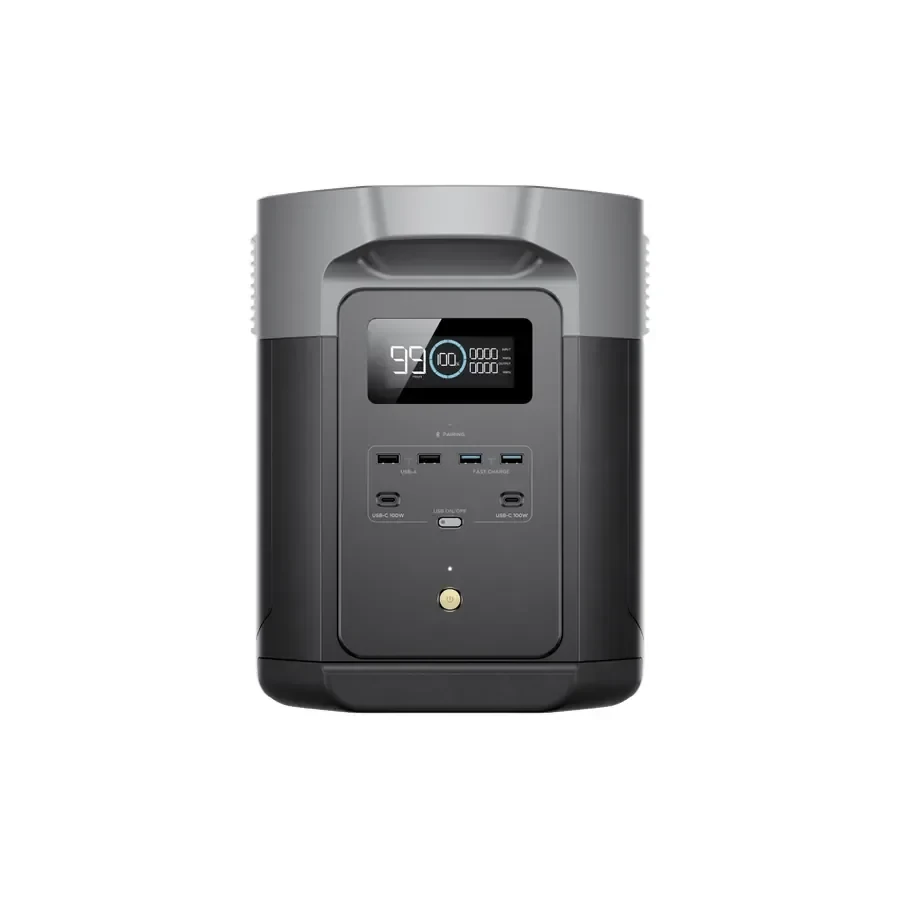
EcoFlow DELTA 2 Max Portable Power Station
2048 Wh
2400 W
22.68 kg
A larger home, shed, RV, or worksite plan that...
Compare exact models
Six stations across three useful sizes.
Start with capacity and output. Then check weight, charging, warranty, returns, and the current price.
#1
BLUETTI | compact power station
BLUETTI Elite 30 V2 Portable Power Station
A small LiFePO4 station with 288 Wh of stated capacity, 600 W of stated AC output, and a 4.3 kg stated weight. It is the compact option for modest loads, not a whole-room backup box.
USD $299 shown on the official product page at check date
Manufacturer capacity
288 Wh
Manufacturer output
600 W continuous
Startup evidence
Manual check required
Weight
4.3 kg
Why shortlisted: Shortlist for a carry-often, low-watt plan when the calculated required nominal capacity is at most 288 Wh and running watts are at most 600 W. Startup watts require a manual check because no manufacturer-stated surge value is recorded here.
Medical note: Manual check required: do not treat capacity or UPS timing as proof of medical-device suitability. Verify the exact device requirements with the device manufacturer.
A compact LFP station with 286 Wh of stated capacity, 600 W of stated output, and optional expansion to a stated 858 Wh. The official page showed mixed purchase-state controls on the checked variant, so availability needs a fresh check.
USD $269 shown on the official page at check date; the page also displayed sold-out or pre-order controls for selected states
Manufacturer capacity
286 Wh
Manufacturer output
600 W continuous
Startup evidence
1200 W stated
Weight
4.72 kg
Why shortlisted: Shortlist for a compact plan when the calculated required nominal capacity is at most 286 Wh and running watts are at most 600 W. Startup watts can be compared with EcoFlow's stated 1200 W surge or X-Boost figure, but the exact device still needs a manual check.
Medical note: Manual check required: do not treat capacity or UPS timing as proof of medical-device suitability. Verify the exact device requirements with the device manufacturer.
A 1 kWh class station with 1,024 Wh of stated capacity, 1,800 W of stated output, and a stated 25 lb weight. It is the middle choice when compact capacity is too tight but a 2 kWh box is more than the plan needs.
USD $499 shown on the official product page at check date
Manufacturer capacity
1024 Wh
Manufacturer output
1800 W continuous
Startup evidence
Manual check required
Weight
11.34 kg
Why shortlisted: Shortlist for a middle-class plan when the calculated required nominal capacity is at most 1024 Wh and running watts are at most 1800 W. Startup watts require a manual check because no manufacturer-stated surge value is recorded here.
Medical note: Manual check required: do not treat capacity or UPS timing as proof of medical-device suitability. Verify the exact device requirements with the device manufacturer.
A 1,070 Wh stated LFP station with 1,500 W rated output, 3,000 W stated surge, and a stated 23.8 lb weight. Jackery's current support page also states 20 ms UPS behavior, no expansion, and no water or dust protection.
USD $489 shown for the Black option on the official product page at check date
Manufacturer capacity
1070 Wh
Manufacturer output
1500 W continuous
Startup evidence
3000 W stated
Weight
10.8 kg
Why shortlisted: Shortlist for a 1 kWh class plan when the calculated required nominal capacity is at most 1070 Wh and running watts are at most 1500 W. Startup watts can be compared with the stated 3000 W surge figure, but Jackery's support page still limits the UPS use case and the exact device needs checking.
Medical note: Manual check required: do not treat capacity or UPS timing as proof of medical-device suitability. Verify the exact device requirements with the device manufacturer.
A 2 kWh class station with 2,073.6 Wh of stated capacity, 2,600 W of stated AC output, and a stated 53.4 lb weight. It provides more headroom, but its size makes the use case and handling plan important.
USD $899 shown on the official product page at check date
Manufacturer capacity
2073.6 Wh
Manufacturer output
2600 W continuous
Startup evidence
Manual check required
Weight
24.22 kg
Why shortlisted: Shortlist for a mostly stationary, higher-load plan when the calculated required nominal capacity is at most 2073.6 Wh and running watts are at most 2600 W. Startup watts require a manual check because the published 3900 W figure is load-lift behavior, not a general surge rating.
Medical note: Manual check required: do not treat capacity or UPS timing as proof of medical-device suitability. Verify the exact device requirements with the device manufacturer.
A 2,048 Wh stated LFP station with 2,400 W stated output, 1,000 W stated solar input, and support for up to two extra batteries. The current official pages showed different selected-variant price states, so the product and manual are useful evidence but the checkout state must be rechecked.
USD $949 shown on the official US collection page at check date; selected variants and availability can differ
Manufacturer capacity
2048 Wh
Manufacturer output
2400 W continuous
Startup evidence
4800 W stated
Weight
22.68 kg
Why shortlisted: Shortlist for a mostly stationary, higher-load plan when the calculated required nominal capacity is at most 2048 Wh and running watts are at most 2400 W. Startup watts can be compared with the stated 4800 W surge figure, while the manual's EPS timing and X-Boost limits still need checking for the exact device.
Medical note: Manual check required: do not treat capacity or UPS timing as proof of medical-device suitability. Verify the exact device requirements with the device manufacturer.
Start with a measured running load and a separate startup check. Compact stations fit phones, routers, laptops, and short low-watt jobs. A 1 kWh station covers a broader essential-load plan. A 2 kWh station buys more energy and output headroom, but it is still not an unlimited whole-home circuit.
For how long?
Use watt-hours divided by measured average watts as a first screen, then allow for inverter loss, duty cycle, temperature, battery age, and reserve. A page estimate is planning math, not a runtime test.
Which exact model fits?
Choose the exact model whose manufacturer-stated continuous output clears the load and whose stated capacity covers the time window after a reserve. Then check the current manual, price, region, charging limits, warranty, returns, and availability before buying.
How the screen works
Capacity is adjusted before comparison.
The screen estimates the load energy, allows 15% for conversion loss, and keeps 20% of nominal capacity in reserve. This is planning math, not a runtime test.
usable energy need = running_w * runtime_hours
usable_energy_need_wh / 0.85 / (1 - 0.20)
Continuous output is a separate gate. If the shortlist has no manufacturer-stated surge value, the result stays a manual check instead of passing.
Disclosure
Some approved links may earn a commission at no added cost. A direct merchant link earns nothing. Commission status never changes the calculation or shortlist rule.
Facts were checked 2026-08-10 on official manufacturer pages or manuals. The links above go to those official pages. Verify the exact variant, region, current price, warranty, returns, charging limits, and device compatibility yourself.